A Definitive Guide to the Top 10 Healthiest Cooking Methods
Section 1: The Foundational Principles of Healthy Cooking
The selection of a cooking method is one of the most consequential decisions in food preparation, profoundly influencing the nutritional profile, safety, and overall health impact of a meal. Beyond simply rendering food palatable and safe for consumption, the application of heat initiates a cascade of chemical and physical transformations. These changes can either preserve and enhance the nutritional value of ingredients or degrade it, while also potentially generating harmful chemical compounds. A rigorous evaluation of cooking methods, therefore, requires a scientific framework based on three foundational principles: the preservation and bioavailability of nutrients; the judicious use of fats and oils; and the minimization of cooking-induced toxicants. Understanding these principles is essential for navigating the complex culinary landscape and making informed choices that align with health and wellness goals.
1.1 The Nutrient Paradox: Preservation vs. Bioavailability
The interaction between cooking and nutrient content is not a simple matter of preservation versus destruction; it is a complex paradox. While heat can degrade certain delicate nutrients, it can also unlock others, making them more available for the body to absorb. This duality means that the "healthiest" cooking method is not one that universally minimizes all change, but rather one that strikes an optimal balance for the specific food and its key nutrients.
Nutrient Degradation
The primary mechanisms of nutrient loss during cooking are exposure to heat, light, and oxygen.1 Certain nutrients are particularly vulnerable to these forces. Water-soluble vitamins, namely Vitamin C and the B-complex vitamins (including thiamine B1, folate B9, and others), are highly susceptible to degradation.2 Because they dissolve in water, these vitamins can easily leach out of foods during water-based cooking methods like boiling.4 The combination of heat and water is especially destructive; studies have shown that boiling can reduce the Vitamin C content of vegetables like broccoli and spinach by 50% or more.3 Similarly, up to 60% of B vitamins can be lost when meat is simmered and the juices are discarded.3 Heat-sensitive vitamins, a category that includes Vitamin C and some B vitamins, can also be destroyed by high temperatures alone, even in dry-heat cooking methods.2 The general rule is that nutrient loss increases with higher temperatures and longer cooking times.7
Enhanced Bioavailability
Conversely, the cooking process can be beneficial by increasing the bioavailability of other nutrients. The rigid cell walls of many plant-based foods lock away valuable compounds. The application of heat breaks down these structures, releasing the nutrients and making them more accessible for digestion and absorption.4 This effect is particularly pronounced for carotenoids, a class of antioxidants. For example, the bioavailability of lycopene, a powerful antioxidant found in tomatoes, is significantly increased when tomatoes are cooked, especially with a healthy fat like olive oil.4 Likewise, the absorption of beta-carotene from carrots and other vegetables is enhanced through cooking.10 Therefore, for a food rich in lycopene, a gentle cooking method is superior to consuming it raw. This demonstrates that an optimal cooking strategy must consider the specific nutrient profile of the food in question.
The Protein Puzzle
Cooking also has a transformative effect on proteins. Heat denatures proteins, altering their structure in a way that makes them easier for digestive enzymes to break down. This is clearly illustrated by the fact that the protein in cooked eggs is 180% more digestible than the protein in raw eggs.3 This improvement in digestibility is a significant health benefit of cooking protein-rich foods. However, this too is a balancing act. The application of very high heat, particularly in dry-heat methods used for meat, can lead to protein oxidation, a process that can generate harmful free radicals.10 This underscores the central theme: healthy cooking is a process of optimization, aiming to achieve benefits like improved protein digestibility while minimizing negative consequences like nutrient degradation and the formation of harmful compounds.
1.2 The Role of Fats and Oils: Medium, Macronutrient, and Menace
Fat plays a multifaceted and often misunderstood role in cooking. It is simultaneously a medium for heat transfer, a vital macronutrient, and, when used improperly, a significant contributor to negative health outcomes. The healthiness of any cooking method that utilizes fat is determined less by the method itself and more by the type, quantity, and handling of the fat used.
Fat as a Cooking Medium
Cooking methods can be broadly categorized by their reliance on fat. Moist-heat techniques like steaming and poaching require no added fat, deriving their health benefits from this fact.12 In contrast, methods such as sautéing, stir-frying, and deep-frying are defined by their use of oil as the primary medium to conduct heat.14 This fundamental difference has profound implications for the final caloric and nutritional profile of the food.
Choosing Healthy Fats
The type of fat used is paramount. Health guidelines consistently recommend choosing unsaturated fats, such as those found in olive oil, canola oil, and avocado oil, over saturated fats like butter, lard, and shortening.12 Unsaturated fats are associated with improved cardiovascular health, while high intake of saturated and trans fats is linked to increased risk of heart disease.18 Therefore, a dish sautéed in a small amount of extra-virgin olive oil has a vastly different health profile than one fried in a large volume of vegetable shortening. Furthermore, the use of healthy fats can be beneficial. The presence of oil can increase the body's absorption of fat-soluble vitamins (A, D, E, and K) and other fat-soluble compounds like lycopene from vegetables.10
Smoke Point and Oil Stability
The "smoke point" is the temperature at which an oil begins to break down and produce visible smoke. Heating an oil beyond its smoke point is detrimental for two reasons. First, it degrades the oil's nutritional quality, destroying beneficial compounds. Second, it can create toxic fumes and harmful free radicals that can contribute to oxidative stress and inflammation in the body.2 This is particularly critical for high-heat methods like stir-frying and pan-searing. Choosing an oil with a smoke point appropriate for the cooking temperature is essential for maintaining the healthiness of the dish. For example, extra-virgin olive oil is best for lower-temperature cooking, while avocado oil is more suitable for high-heat applications.20
The Caloric Impact of Frying
Deep-frying represents the extreme end of the fat-use spectrum and is unequivocally the least healthy application of fat in cooking. The process involves completely submerging food in hot oil, leading to significant absorption of fat and a dramatic increase in caloric density. The contrast is stark: a 138-gram baked potato contains approximately 128 calories and 0.2 grams of fat, whereas the same amount of french fries contains 431 calories and 20 grams of fat.22 This massive increase in calories and fat contributes directly to an elevated risk of obesity, heart disease, type 2 diabetes, and other chronic conditions.23 The causal chain is clear: the cooking method (deep-frying) dictates a high quantity of oil, which in turn dictates a high caloric and fat load, ultimately leading to negative health outcomes. This illustrates that while methods like sautéing can be part of a healthy diet, deep-frying stands apart due to the sheer volume of fat it adds to food.
1.3 The Chemistry of Heat: Unwanted Byproducts of the Culinary Process
While cooking can unlock nutrients and improve digestibility, the application of high heat, particularly in the absence of water, can trigger chemical reactions that produce potentially harmful compounds. These cooking-induced toxicants are a major factor in determining the healthiness of a cooking method. A clear pattern emerges from the analysis of their formation: the combination of high temperature and low moisture is the primary driver of cooking toxicity. Moist-heat methods that operate at or below the boiling point of water (212°F or 100°C) are inherently safer, while high-temperature, dry-heat methods carry the greatest risk.
The Maillard Reaction: A Double-Edged Sword
At the heart of many of these transformations is the Maillard reaction, a complex series of chemical interactions between amino acids (from proteins) and reducing sugars that occurs when food is heated.25 This reaction is responsible for the desirable browning, aromas, and savory flavors of cooked foods, from a seared steak to a toasted piece of bread.2 However, this same reaction is also the gateway to the formation of several harmful byproducts, including Advanced Glycation End-products (AGEs) and acrylamide.25
Advanced Glycation End-products (AGEs)
AGEs are a class of harmful compounds formed when proteins or fats combine with sugars under the influence of heat.28 They can form endogenously (inside the body), but diet is a major external source.28 High levels of AGEs are linked to increased oxidative stress and inflammation, which are underlying factors in many chronic diseases, including diabetes, heart disease, and kidney failure.28 The conditions that most favor AGE formation are high temperatures and dry heat. Consequently, cooking methods like grilling, frying, roasting, and broiling can increase the AGE content of food by a factor of 10 to 100 compared to its uncooked state.28 In contrast, moist-heat methods such as poaching, steaming, and stewing produce significantly fewer AGEs.25
Heterocyclic Amines (HCAs) and Polycyclic Aromatic Hydrocarbons (PAHs)
HCAs and PAHs are mutagenic chemicals, meaning they can cause changes in DNA that may increase the risk of cancer.16 Their formation is specifically associated with the high-temperature cooking of muscle meat, including beef, pork, poultry, and fish.31 HCAs form when the building blocks of muscle—amino acids, sugars, and creatine—react at high temperatures, typically above 300°F (150°C).31 The hotter the temperature and the longer the cooking time, the more HCAs are formed. This directly implicates methods like pan-frying, grilling, and broiling, especially for well-done meats.31 PAHs form through a different mechanism. When fat and juices from meat drip onto a direct heat source like an open flame or a hot surface, they create smoke. This smoke contains PAHs, which then adhere to the surface of the meat.31 This makes grilling and barbecuing over an open flame the primary sources of PAH exposure from food.16
Acrylamide
Acrylamide is another potentially carcinogenic compound that arises from the Maillard reaction.25 It forms specifically when the amino acid asparagine reacts with sugars in starchy foods—most notably potatoes and grain-based products like bread—at high temperatures, generally above 248°F (120°C).6 Since the boiling point of water is 212°F (100°C), acrylamide does not form during boiling or steaming. Its formation is characteristic of dry-heat methods like deep-frying, roasting, baking, and toasting.2 The amount of acrylamide increases with higher temperatures and longer cooking times, which is why darkly browned or charred french fries and toast contain higher levels.25 The consistent link between high, dry heat and the formation of these various toxicants provides a powerful and unifying principle for evaluating cooking methods. Those that rely on water or steam and operate at lower temperatures are fundamentally less likely to produce these harmful byproducts, establishing them as a healthier foundation for food preparation.
Section 2: A Methodical Analysis of Primary Cooking Techniques
Building upon the foundational principles of nutrient retention, fat utilization, and byproduct formation, this section provides a systematic evaluation of the most common culinary techniques. Each method is analyzed against these criteria to determine its overall health profile, creating a clear hierarchy from the most beneficial to the most detrimental.
2.1 Moist-Heat, Low-Temperature Methods: The Gentle Guardians of Nutrition
This category includes methods that use water or steam as the cooking medium at temperatures at or below boiling point. They are characterized by their gentle treatment of food, which results in excellent nutrient preservation and a near-total absence of harmful chemical byproducts.
2.1.1 Steaming
Steaming is widely regarded as a gold standard for healthy cooking, particularly for vegetables. In this method, food is placed in a basket above boiling water and cooked by the surrounding steam, never coming into direct contact with the liquid.13 This separation is critical, as it dramatically reduces the leaching of water-soluble vitamins (C and B-complex) that plagues methods like boiling.5
Nutrient Retention: Research consistently demonstrates the superiority of steaming for nutrient preservation. One study on broccoli found that steaming caused negligible loss of chlorophyll and Vitamin C, whereas stir-frying and boiling caused significant losses.5 Steamed broccoli also retains higher levels of water-soluble proteins and beneficial compounds like glucosinolates compared to other methods.10 Similarly, steamed fish retains more protein and suffers less vitamin and mineral loss.10
Fat Requirement: Steaming is a completely fat-free cooking method.4
Harmful Compounds: Operating at a temperature of 212°F (100°C) or below, steaming does not reach the high temperatures required for the Maillard reaction. Consequently, it does not produce AGEs, HCAs, PAHs, or acrylamide, making it one of the safest cooking methods available.2
2.1.2 Poaching & Simmering
Poaching and simmering are gentle, water-based techniques that differ in temperature: poaching occurs in liquid between 140°F and 180°F, while simmering is slightly hotter, between 180°F and 205°F.3 Both are excellent for cooking delicate proteins like eggs, fish, and poultry without the need for added fat.13
Nutrient Retention: The primary drawback of these methods is the significant loss of water-soluble vitamins and minerals, which leach from the food into the surrounding cooking liquid.3 The health impact of this nutrient loss is entirely conditional. If the cooking liquid is discarded, poaching and simmering can be nutritionally depleting. However, if the nutrient-rich liquid is consumed as part of the final dish—as in a soup, stew, or braise—then most of these nutrients are retained and consumed, making the method highly beneficial.3
Fat Requirement: No added fat is required for the cooking process itself.3
Harmful Compounds: Like steaming, these low-temperature, moist-heat methods operate well below the threshold for forming harmful byproducts, making them a very safe choice from a chemical standpoint.20
2.1.3 Sous-Vide
Sous-vide, a French term meaning "under vacuum," represents a technological perfection of the low-temperature, moist-heat principle. Food is vacuum-sealed in a food-grade bag and submerged in a precisely temperature-controlled water bath for an extended period.39 This technique offers unparalleled control and significant health advantages.
Nutrient Retention: Because the food is sealed in a bag, there is zero nutrient loss to the surrounding water. This results in superior retention of vitamins, minerals, and other beneficial compounds, outperforming even steaming and boiling.42 Research has shown that cereals and legumes cooked sous-vide have significantly higher levels of minerals like iron, zinc, and magnesium, and vegetables retain more Vitamin C and carotenoids.41
Fat Requirement: Sous-vide is a fat-free cooking method, although fats and aromatics can be added to the bag to infuse flavor.41 The method's ability to lock in natural juices and flavors reduces the need for added salt or fat.44
Harmful Compounds: The precise, low-temperature control inherent to sous-vide cooking ensures that temperatures never reach the levels required for the formation of AGEs, HCAs, or other harmful compounds, making it an exceptionally safe method.41 It also produces incredibly tender and perfectly evenly cooked food, a significant culinary benefit.44
2.2 Moist-Heat, Accelerated Methods: Balancing Speed and Nutrition
This category includes methods that use moisture and heat but employ technology to significantly reduce cooking times. This speed can be a major advantage for nutrient preservation. These modern techniques represent targeted solutions to the classic trade-off between cooking time and nutrient degradation seen in traditional methods.
2.2.1 Pressure Cooking
Pressure cooking works by trapping steam inside a sealed pot, which increases the internal atmospheric pressure. This allows the boiling point of water to rise to approximately 240−250°F (115−121°C), cooking food much faster than conventional methods.5
Nutrient Retention: The combination of a sealed environment and dramatically reduced cooking times results in excellent nutrient retention. One study found that pressure-cooked broccoli retained 90% of its Vitamin C, a higher percentage than achieved through either steaming or boiling.46 The method is generally found to preserve vitamins and minerals better than longer cooking techniques.5
Reduction of Anti-Nutrients: A unique and significant health benefit of pressure cooking is its ability to reduce "anti-nutrients" such as lectins and phytic acid, which are commonly found in legumes, grains, and seeds.49 These compounds can interfere with the absorption of minerals like iron and zinc. By breaking them down, pressure cooking improves the digestibility and mineral bioavailability of these foods.49
Harmful Compounds: Pressure cooking has been shown to reduce the formation of certain harmful compounds. It can lower levels of acrylamide in starchy foods compared to high-heat dry methods and has even been found to reduce aflatoxins (toxins from mold) in rice.49
2.2.2 Microwaving
Often misunderstood, microwaving is a remarkably healthy cooking method. It uses microwave radiation to excite water molecules within the food, generating heat rapidly and cooking the food from the inside out.15
Nutrient Retention: The key health advantage of microwaving is its speed. The extremely short cooking times and minimal need for added water lead to superior preservation of many nutrients, especially the delicate, water-soluble vitamins.3 Studies have found that microwaving retains more of the antioxidant activity in garlic and mushrooms than other methods.3 While some Vitamin C is lost (around 20-30% in green vegetables), this is significantly less than the losses seen with boiling.3
Fat Requirement: Microwaving requires no added fat.10
Harmful Compounds: The short duration of cooking minimizes the risk of forming harmful compounds. Because the internal temperature of the food rarely exceeds the boiling point of water for extended periods, the conditions for forming AGEs or acrylamide are not typically met.38
2.3 Dry-Heat Methods: The Balance of Flavor and Risk
Dry-heat methods cook food by surrounding it with hot air or by exposing it to direct radiant heat. While they excel at creating desirable flavors and textures through browning and caramelization, they operate at high temperatures that pose risks for both nutrient degradation and the formation of harmful chemical byproducts.
2.3.1 Baking & Roasting
Baking and roasting both use the dry, ambient heat of an oven to cook food.13 Roasting typically implies higher temperatures than baking, but the principles are the same.14
Nutrient Retention: These methods present a mixed nutritional profile. On one hand, the heat can break down cell walls and increase the bioavailability of carotenoids like beta-carotene and lycopene.9 On the other hand, the prolonged exposure to high temperatures can significantly degrade heat-sensitive nutrients, particularly Vitamin C and B-complex vitamins like folate.51
Fat Requirement: Baking and roasting can be done with little to no added oil, making them a healthier choice than frying.12 However, many recipes call for significant amounts of fat, which can increase the caloric load.36
Harmful Compounds: This is the primary area of concern for baking and roasting. The high, dry heat is ideal for the Maillard reaction, leading to the formation of AGEs in protein-rich foods.25 In starchy foods like potatoes, these conditions also promote the formation of acrylamide.9 The risk can be mitigated by using lower temperatures, shorter cooking times, and avoiding excessive browning or charring.10
2.3.2 Grilling & Broiling
Grilling (heat from below) and broiling (heat from above) use intense, direct radiant heat to cook food quickly.20
Nutrient Retention: A potential benefit of these methods is that they allow fat to drip away from the food, which can reduce the overall fat content of meats.36 However, the nutrient-rich juices that drip away also contain a significant amount of B vitamins and minerals, leading to losses of up to 40%.3
Fat Requirement: No added fat is required, though marinades often contain oil.
Harmful Compounds: Grilling and broiling pose the highest risk for the formation of carcinogenic compounds when cooking meat. The intense surface heat creates HCAs, while the smoke generated from fat dripping onto the heat source creates PAHs that coat the food.6 These risks make grilling and broiling some of the most potentially hazardous cooking methods. However, the danger can be significantly reduced through mitigation strategies: choosing leaner cuts of meat, marinating in acidic solutions (like vinegar or lemon juice), pre-cooking meat in a microwave to reduce grilling time, flipping frequently to prevent charring, and cutting off any blackened portions.6
2.4 Fat-Based and Hybrid Methods: From Prudent to Perilous
This final category covers methods defined by their use of fat as a cooking medium, as well as boiling, which serves as a critical baseline for comparison. The healthiness within this group varies dramatically, from prudent, health-promoting techniques to the unambiguously detrimental.
2.4.1 Sautéing & Stir-Frying
These methods involve cooking food quickly in a hot pan with a small amount of oil.13
Nutrient Retention: The short cooking time is a major advantage, helping to preserve the texture and nutrients of vegetables.12 Some studies suggest that stir-frying is one of the most effective methods for preserving antioxidants, Vitamin C, and carotenoids in certain vegetables.10
Fat Requirement: The healthiness of sautéing and stir-frying is entirely contingent on the responsible use of fat. Using a small amount of a healthy, unsaturated oil (like olive or avocado oil) with a suitable smoke point is key.2 This small amount of fat can actually be beneficial, as it aids the absorption of fat-soluble vitamins and compounds like lycopene.10
Harmful Compounds: Because temperatures are high, there is some risk of forming AGEs, but the short duration of cooking helps to minimize this. The primary risk comes from overheating the oil past its smoke point, which can create harmful free radicals.2
2.4.2 Air-Frying
Air-frying is a modern technique that uses a convection mechanism to circulate superheated air around food, creating a crispy exterior with very little oil.2 It is designed as a direct, healthier alternative to deep-frying.
Nutrient Retention: By using minimal oil, air-frying helps food retain more of its nutrients compared to deep-frying.36
Fat Requirement: The defining feature of air-frying is its dramatic reduction in fat. It can lower the fat and calorie content of foods by 70-80% compared to traditional deep-frying, making it a significantly healthier option for those seeking a "fried" texture.2
Harmful Compounds: While a major improvement over deep-frying, air-frying is still a high-temperature, dry-heat method. As such, it still carries a risk of forming AGEs and acrylamide, particularly in starchy foods.2 The risk is likely lower than with deep-frying due to the reduced oil and potentially shorter cooking times, but it is not eliminated.
2.4.3 Boiling (as a baseline)
Boiling involves submerging food in water at 212°F (100°C). It serves as a crucial point of comparison.
Nutrient Retention: Boiling is consistently ranked as one of the worst cooking methods for retaining water-soluble vitamins and minerals if the cooking liquid is discarded.3 The direct, prolonged contact with water causes these nutrients to leach out, resulting in significant losses.12
Fat Requirement: Boiling is a fat-free method.3
Harmful Compounds: As a low-temperature, moist-heat method, boiling does not produce AGEs, HCAs, PAHs, or acrylamide.3 Its primary health drawback is purely nutritional depletion, not chemical toxicity. Its only healthy application is in preparations like soups and stews, where the liquid is consumed.4
2.4.4 Deep-Frying (as the unhealthy benchmark)
Deep-frying is the process of fully submerging food in a large volume of hot oil. It is, by every measure, the least healthy cooking method.
Nutrient Retention: The extremely high heat destroys a significant portion of the nutrients in food.36
Fat Requirement: This method's defining characteristic is the massive absorption of fat, which drastically increases the food's calorie count.16 Regular consumption is strongly and directly linked to weight gain and obesity.22 The oils used are often high in unhealthy saturated and trans fats, which raise LDL ("bad") cholesterol and increase the risk of heart disease.19
Harmful Compounds: The high temperatures promote the formation of a host of harmful compounds, including AGEs, acrylamide in starchy foods, and potentially carcinogenic trans fats.2
Physical Safety: Beyond its nutritional detriments, deep-frying poses significant safety hazards, including a high risk of severe burns from oil splatters and house fires from flammable oil.55
Section 3: The Definitive Ranking and Synthesis
The systematic analysis of cooking techniques against the core principles of health reveals a clear hierarchy. Methods that prioritize low temperatures and moisture consistently outperform those that rely on high, dry heat. This section synthesizes the preceding analysis into a definitive ranked list, provides context on applying the right method to the right food, and offers strategic recommendations for creating a healthier kitchen.
3.1 The Top 10 Healthiest Cooking Methods: A Ranked Hierarchy
The following ranking is based on a holistic assessment of nutrient retention, minimal use of unhealthy fats, and the lowest potential for forming harmful chemical byproducts. The accompanying table provides a detailed, at-a-glance comparison of each method across the key evaluation criteria.
| Cooking Method | Water-Soluble Vitamin Retention | Fat-Soluble Vitamin Bioavailability | Added Fat Requirement | AGEs Potential | HCA/PAH Potential (Meat) | Acrylamide Potential (Starches) | Overall Health Rating |
|---|---|---|---|---|---|---|---|
| Sous-Vide | Excellent | Good | None (Optional) | Negligible | Negligible | Negligible | Excellent |
| Steaming | Excellent | Fair | None | Negligible | Negligible | Negligible | Excellent |
| Pressure Cooking | Very Good | Fair | None | Low | Negligible | Low | Very Good |
| Microwaving | Very Good | Fair | None | Low | Negligible | Low | Very Good |
| Poaching / Simmering | Poor (if liquid discarded); Excellent (if consumed) | Fair | None | Negligible | Negligible | Negligible | Good (Conditional) |
| Sautéing / Stir-Frying | Good | Excellent (with oil) | Low (Required) | Moderate | Moderate | Moderate | Good (Conditional) |
| Air-Frying | Fair | Fair | Very Low | High | Moderate | High | Fair |
| Baking / Roasting | Fair | Good | Low (Optional) | High | Low | High | Fair |
| Grilling / Broiling | Poor | Fair | None (Optional) | High | High Risk | Moderate | Poor |
| Boiling (liquid discarded) | Poor | Fair | None | Negligible | Negligible | Negligible | Poor |
| Deep-Frying | Very Poor | Poor | Very High (Required) | Very High | High | Very High | Very Poor |
- Sous-Vide: Achieves the top rank due to its near-perfect nutrient retention by eliminating leaching and its precise low-temperature control, which prevents the formation of any harmful compounds.41 It combines the safety of moist-heat cooking with unparalleled preservation of vitamins and minerals.
- Steaming: The most accessible and effective method for daily use. It offers outstanding preservation of water-soluble vitamins and other nutrients, requires no added fat, and produces no harmful byproducts, making it an ideal choice for vegetables and delicate proteins.10
- Pressure Cooking: Ranks highly for its excellent nutrient retention due to rapid cooking times and its unique ability to reduce anti-nutrients in legumes and grains, enhancing their digestibility and mineral absorption.46
- Microwaving: A surprisingly healthy and efficient method. Its speed and minimal water usage lead to superior retention of many vitamins compared to longer cooking processes, making it a top-tier choice for quick vegetable preparation.3
- Poaching/Simmering (with liquid consumed): These methods are healthy only under the condition that the nutrient-rich cooking liquid is consumed, as in soups, stews, or braises. In this context, they are excellent, fat-free methods that do not produce harmful compounds.4
- Sautéing/Stir-Frying: A healthy method when executed properly. The quick cooking preserves nutrients well, and the use of a small amount of healthy oil can enhance the absorption of fat-soluble vitamins.10 Its healthiness is entirely dependent on using minimal, high-quality oil and avoiding excessive temperatures.
- Air-Frying: A significantly healthier alternative to deep-frying that dramatically reduces fat and calories.2 It ranks lower than moist-heat methods because it is still a high-temperature, dry-heat technique with the potential to form AGEs and acrylamide.
- Baking/Roasting: These versatile methods can be part of a healthy diet but carry risks. The prolonged high heat degrades some vitamins and creates a high potential for AGE and acrylamide formation.28 Careful management of temperature and oil usage is required.
- Grilling/Broiling: While allowing fat to drip away from meat, these methods pose the highest risk of forming carcinogenic HCAs and PAHs.16 They can only be considered moderately healthy if significant mitigation strategies are employed, such as using marinades and avoiding char.
- Boiling (with liquid discarded): Ranks last among the generally acceptable methods due to its severe depletion of water-soluble nutrients.3 While it is fat-free and does not create harmful compounds, the nutritional loss is too significant to rank it higher.
Recommended Kitchen Tools

COSORI Pressure Cooker
- Perfect results every time, never over or undercook
- Maximum nutrient and flavor retention

Instant Pot Duo 7-in-1 Electric Pressure Cooker
- Combines 7 appliances in one: pressure cooker, slow cooker, rice cooker & more
- Reduces anti-nutrients in legumes and grains
- Cooks up to 70% faster, preserving vitamins
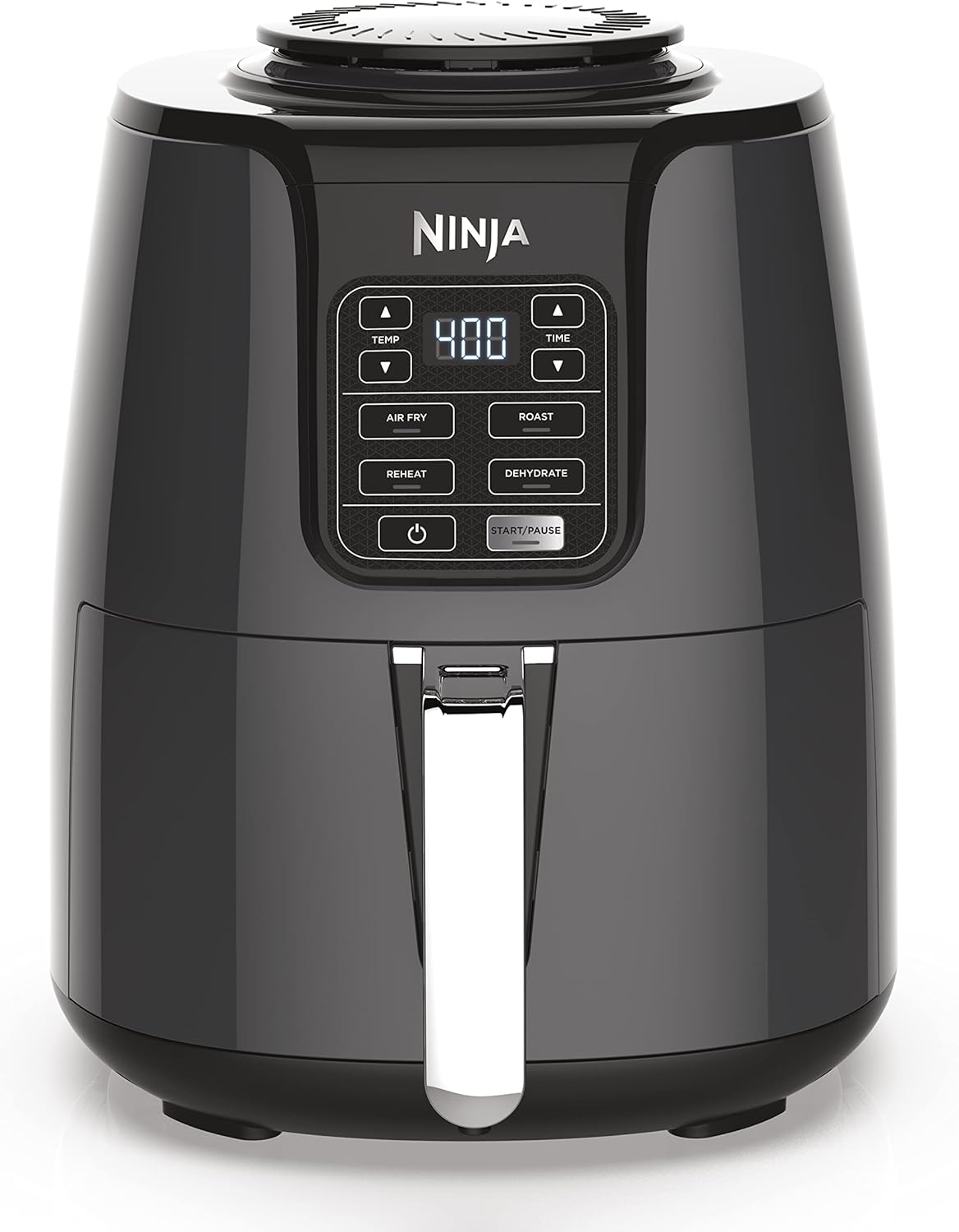
Ninja AF101 Air Fryer
- Enjoy guilt-free food with up to 75% less fat than deep-frying
- Crisps, roasts, reheats, and dehydrates
- Wide temperature range for versatile cooking
3.2 Contextual Application: Selecting the Right Method for the Right Food
The concept of a single "best" cooking method is an oversimplification. A truly optimal approach to healthy cooking involves creating a portfolio of techniques and applying them strategically based on the specific food being prepared. The goal is to maximize the unique nutritional benefits of each ingredient.
For Leafy Greens & Cruciferous Vegetables (e.g., spinach, broccoli, cauliflower): The primary goal is to preserve their abundant water-soluble vitamins (Vitamin C, folate) and delicate phytonutrients (glucosinolates). Steaming is the undisputed champion here, as it cooks gently without direct water contact, minimizing nutrient leaching.10 Microwaving is also an excellent, rapid alternative.
For Carotenoid-Rich Vegetables (e.g., tomatoes, carrots, sweet potatoes): These vegetables are rich in fat-soluble compounds like lycopene and beta-carotene, whose bioavailability is enhanced by heat and the presence of fat. Sautéing in a small amount of olive oil is ideal for tomatoes to maximize lycopene absorption.10 Gentle roasting or baking is also effective for carrots and sweet potatoes.11
For Lean Proteins (e.g., chicken breast, fish fillets): The objectives are to retain moisture, ensure thorough cooking without overcooking, and avoid the formation of HCAs. Gentle, moist-heat methods are perfect. Poaching, steaming, and especially sous-vide yield tender, juicy results while being completely free of harmful byproducts.18
For Tough Cuts of Meat (e.g., chuck roast, brisket, lamb shank): These cuts are rich in connective tissue that requires long, slow cooking to become tender. Combination methods that utilize moist heat are ideal. Braising, stewing, or using a slow cooker breaks down the tough fibers while capturing all the rendered fats and nutrients in the surrounding liquid, which becomes a flavorful sauce or broth.13
For Starchy Foods (e.g., potatoes, whole grains): The main concern is minimizing the formation of acrylamide, which occurs at high, dry temperatures. Steaming, boiling (for use in other dishes), and pressure cooking are the safest methods.49 If roasting, it is crucial to use moderate temperatures and aim for a golden-yellow color rather than a dark brown.21
For Legumes (e.g., beans, lentils): Digestibility and mineral absorption are key challenges due to the presence of anti-nutrients. Pressure cooking is the superior method, as it significantly reduces lectins and phytic acid while cooking the legumes quickly and efficiently.49 Soaking and then boiling is a traditional, effective alternative.
This portfolio approach ensures that each food is prepared in a way that optimizes its nutritional profile, moving beyond a one-size-fits-all mentality to a more nuanced and effective strategy for health.
3.3 Strategic Recommendations for the Health-Conscious Kitchen
Translating this analytical knowledge into daily practice involves adopting a set of core strategies. These recommendations are designed to be practical, actionable, and effective in maximizing the health benefits of home-cooked meals.
- Prioritize Low-Temperature, Moist-Heat Cooking: Make steaming, poaching, and simmering foundational techniques in the kitchen. Invest in a simple steamer basket for vegetables and learn the basics of poaching for preparing lean proteins. These methods should form the backbone of daily cooking.
- Reclaim and Repurpose Nutrients: Adopt a "no-waste" policy for cooking liquids. When boiling vegetables or meats, never discard the water. Instead, save this nutrient-rich broth to use as a base for soups, stews, sauces, or for cooking grains like rice and quinoa.4
- Mitigate High-Heat Risks Systematically: When choosing to grill, broil, or roast, do so with intention and employ risk-reduction techniques.
- For meat, always marinate in an acidic base (lemon juice, vinegar) with herbs, which can significantly reduce HCA formation.6
- Avoid direct exposure to flames, flip meat frequently, and never consume charred portions.21
- For starchy foods, cook to a golden color, not a dark brown, to minimize acrylamide.21
- Manage Fats and Oils with Precision:
- Use fats sparingly. Employ non-stick cookware to reduce the amount of oil needed.12
- Choose the right oil for the job. Use extra-virgin olive oil for low-to-medium heat cooking and salads. Use oils with higher smoke points, like avocado oil, for higher-temperature applications.10
- Completely eliminate deep-frying. For a crispy texture, invest in an air-fryer as a far healthier alternative.
- Embrace a Varied Culinary Approach: The most robust and nutritionally complete diet comes from variety, not just in the foods eaten, but in how they are prepared. Regularly rotate through the top-ranked cooking methods. Steam broccoli one night, sauté tomatoes the next, and prepare a pressure-cooked lentil soup for the weekend. This strategic diversity ensures a broad spectrum of bioavailable nutrients and minimizes exposure to any single type of cooking byproduct, representing the most sophisticated and effective path to long-term health through cooking.
Works Cited
- Food processing and nutrition | Better Health Channel, accessed August 29, 2025, https://www.betterhealth.vic.gov.au/health/healthyliving/food-processing-and-nutrition
- Cooking Your Food Without Losing Nutrients - Yuka, accessed August 29, 2025, https://yuka.io/en/cooking-methods-health/
- How Cooking Affects the Nutrient Content of Foods - Healthline, accessed August 29, 2025, https://www.healthline.com/nutrition/cooking-nutrient-content
- Which cooking method preserves the most nutrients? : r/nutrition - Reddit, accessed August 29, 2025, https://www.reddit.com/r/nutrition/comments/g41j5k/which_cooking_method_preserves_the_most_nutrients/
- How to minimize nutrient loss during cooking - LivOn Labs, accessed August 29, 2025, https://www.livonlabs.com/blogs/articles/how-to-minimize-nutrient-loss-during-cooking
- 4 Types of Toxins that Form When You Cook Your Food at High Temperatures, accessed August 29, 2025, https://cathe.com/4-types-of-toxins-that-form-when-you-cook-at-high-temperatures/
- yuka.io, accessed August 29, 2025, https://yuka.io/en/cooking-methods-health/
- Steam, boil or fry? How cooking affects nutrient losses from foods - Thinking Nutrition, accessed August 29, 2025, https://www.thinkingnutrition.com.au/nutrient-losses-food/
- Does Roasting Vegetables Ruin Nutrients? - Sharon Palmer, The Plant Powered Dietitian, accessed August 29, 2025, https://sharonpalmer.com/ask-sharon-does-roasting-veggies-ruin-nutrients/
- How do Different Cooking Methods Impact Nutritional Value? - Foodness Gracious, accessed August 29, 2025, https://foodnessgracious.com/articles/how-do-different-cooking-methods-impact-nutritional-value
- Chow Line: Steam, roast vegetables to retain nutrients - CFAES, accessed August 29, 2025, https://cfaes.osu.edu/news/articles/chow-line-steam-roast-vegetables-retain-nutrients
- Healthy cooking tips and recipe suggestions | Better Health Channel, accessed August 29, 2025, https://www.betterhealth.vic.gov.au/health/healthyliving/healthy-cooking-tips
- Don't Fry! Give Healthy Cooking Methods a Try | American Heart Association, accessed August 29, 2025, https://www.heart.org/en/healthy-living/healthy-eating/cooking-skills/cooking/techniques/healthy-cooking-methods
- The Complete Guide to Different Types of Cooking Methods - Culinary Depot, accessed August 29, 2025, https://www.culinarydepotinc.com/blog/the-complete-guide-to-different-types-of-cooking-methods/
- A Guide to Cooking Techniques and How They Work - Recipes, accessed August 29, 2025, https://www.canr.msu.edu/resources/a-guide-to-cooking-techniques-and-how-they-work
- 17 healthy cooking tips | MD Anderson Cancer Center, accessed August 29, 2025, https://www.mdanderson.org/publications/focused-on-health/17-healthy-cooking-tips.h19-1592991.html
- Healthy Eating Plate - The Nutrition Source, accessed August 29, 2025, https://nutritionsource.hsph.harvard.edu/healthy-eating-plate/
- Healthy cooking methods demystified - Baylor College of Medicine Blog Network, accessed August 29, 2025, https://blogs.bcm.edu/2025/02/18/healthy-cooking-methods-demystified/
- Why Is Fried Food Bad for You? | Sharp HealthCare, accessed August 29, 2025, https://www.sharp.com/health-news/why-is-fried-food-bad-for-you
- Meal Planning: Healthy Cooking Techniques | Dana-Farber Cancer Institute, accessed August 29, 2025, https://www.dana-farber.org/health-library/meal-planning-healthy-cooking-techniques
- 11 Ways to Cook: Find out Which Is Best, Plus Tips - Health, accessed August 29, 2025, https://www.health.com/nutrition/healthiest-cooking-methods
- Why Are Fried Foods Bad for You? - Healthline, accessed August 29, 2025, https://www.healthline.com/nutrition/why-fried-foods-are-bad
- Why is fried food harmful to your health? - Vinmec, accessed August 29, 2025, https://www.vinmec.com/eng/blog/why-is-fried-food-bad-for-health-en
- Why Is Fried Food So Bad for You? - Cleveland Clinic Health Essentials, accessed August 29, 2025, https://health.clevelandclinic.org/why-fried-food-is-bad
- All About Cooking & Carcinogens - Precision Nutrition, accessed August 29, 2025, https://www.precisionnutrition.com/all-about-cooking-carcinogens
- Formation of advanced glycation endproducts in foods during cooking process and underlying mechanisms, accessed August 29, 2025, https://www.cambridge.org/.../S0954422419000209a.pdf
- What Are AGEs (Advanced Glycation End Products)? - MedicineNet, accessed August 29, 2025, https://www.medicinenet.com/what_are_ages_advanced_glycation_end_products/article.htm
- Advanced Glycation End Products (AGEs): A Complete Overview, accessed August 29, 2025, https://www.healthline.com/nutrition/advanced-glycation-end-products
- How Cooked Products Age You—And the Best Ways to Protect Yourself | Deanna Minich, accessed August 29, 2025, https://deannaminich.com/how-cooked-products-age-you-and-the-best-ways-to-protect-yourself/
- Advanced Glycation End Products in Foods and a Practical Guide to Their Reduction in the Diet - PMC, accessed August 29, 2025, https://pmc.ncbi.nlm.nih.gov/articles/PMC3704564/
- Chemicals in Meat Cooked at High Temperatures and Cancer Risk, accessed August 29, 2025, https://www.cancer.gov/about-cancer/causes-prevention/risk/diet/cooked-meats-fact-sheet
- Red Meat Heating Processes, Toxic Compounds Production and Nutritional Parameters Changes, accessed August 29, 2025, https://pmc.ncbi.nlm.nih.gov/articles/PMC10855356/
- Red Meat Heating Processes, Toxic Compounds Production and Nutritional Parameters Changes: What about Risk–Benefit?, accessed August 29, 2025, https://pmc.ncbi.nlm.nih.gov/articles/PMC10855356/
- Hazardous Substances From Food Processing: Formation and Control, Biotoxicity and Mitigation | Frontiers Research Topic, accessed August 29, 2025, https://www.frontiersin.org/research-topics/.../magazine
- Healthy cooking methods - Canada's Food Guide, accessed August 29, 2025, https://food-guide.canada.ca/en/tips-for-healthy-eating/healthy-cooking-methods/
- What is the healthiest cooking method?, accessed August 29, 2025, https://www.wcrf.org/about-us/news-and-blogs/what-is-the-healthiest-cooking-method/
- Effects of different cooking methods on health-promoting compounds of broccoli - PMC, accessed August 29, 2025, https://pmc.ncbi.nlm.nih.gov/articles/PMC2722699/
- Healthiest cooking methods : r/nutrition - Reddit, accessed August 29, 2025, https://www.reddit.com/r/nutrition/comments/1f95uw2/healthiest_cooking_methods/
- Types of Cooking Methods - WebstaurantStore, accessed August 29, 2025, https://www.webstaurantstore.com/article/454/types-of-cooking-methods.html
- The Healthiest Cooking Methods – NATURELO Premium Supplements, accessed August 29, 2025, https://naturelo.com/blogs/articles/the-healthiest-cooking-methods
- Unsealing the health secrets of sous vide - Providence blog, accessed August 29, 2025, https://blog.providence.org/toyourhealthblogs/unsealing-the-health-secrets-of-sous-vide
- What Is Sous Vide Cooking?, accessed August 29, 2025, https://www.webmd.com/food-recipes/what-is-sous-vide-cooking
- Nutritional advantages of sous‐vide cooking compared to boiling on cereals and legumes - PMC, accessed August 29, 2025, https://pmc.ncbi.nlm.nih.gov/articles/PMC5448368/
- What Is Sous Vide Cooking? - WebMD, accessed August 29, 2025, https://www.webmd.com/food-recipes/what-is-sous-vide-cooking
- The Benefits of Sous Vide Cooking - CCL Hospitality Group, accessed August 29, 2025, https://www.ccl-hg.com/perspectives/the-benefits-of-sous-vide-cooking/
- 7 advantages of cooking with a pressure cooker, accessed August 29, 2025, https://www.proctorsilex.com/7-advantages-of-cooking-with-a-pressure-cooker
- 7 advantages of cooking with a pressure cooker | ProctorSilex.com, accessed August 29, 2025, https://www.proctorsilex.com/7-advantages-of-cooking-with-a-pressure-cooker
- Top 6 Benefits of Pressure Cooking - Eartheasy, accessed August 29, 2025, https://learn.eartheasy.com/articles/top-6-benefits-of-pressure-cooking/
- 7 Health Benefits of Pressure Cooking - Pressure Cooker Passion, accessed August 29, 2025, https://pressurecookerpassion.com/health-benefits-of-pressure-cooking/
- Safety tips | How to use pressure cooker | Healthy lifestyle - YouTube, accessed August 29, 2025, https://www.youtube.com/watch?v=ZBkIAZDYppw
- Does Cooking Vegetables Destroy Their Nutrients? - Tufts Health & Nutrition Letter, accessed August 29, 2025, https://www.nutritionletter.tufts.edu/general-nutrition/does-cooking-vegetables-destroy-their-nutrients/
- How Different Cooking Methods Affect Nutrients | Kansas Living Magazine, accessed August 29, 2025, https://kansaslivingmagazine.com/articles/2020/08/14/how-different-cooking-methods-affect-nutrients
- Do vegetables lose nutrients when roasted? : r/nutrition - Reddit, accessed August 29, 2025, https://www.reddit.com/r/nutrition/comments/ejo1g9/do_vegetables_lose_nutrients_when_roasted/
- Healthy cooking methods - Preventive Health SA, accessed August 29, 2025, https://www.preventivehealth.sa.gov.au/.../healthy-cooking-methods
- Deep Fat Frying and Food Safety | Food Safety and Inspection Service, accessed August 29, 2025, https://www.fsis.usda.gov/food-safety/.../deep-fat-frying
- Deep Fat Frying and Food Safety, accessed August 29, 2025, http://www.fsis.usda.gov/food-safety/.../deep-fat-frying
- Deep Frying Safety - City of Greensburg, accessed August 29, 2025, https://www.cityofgreensburg.com/fire-department/safety/deep-frying-safety/
- Dangers of Frying a Turkey | Cosumnes CSD | Elk Grove & Galt, CA, accessed August 29, 2025, https://www.cosumnescsd.gov/222/Dangers-of-Frying-A-Turkey
- Fire Prevention 52: Deep Fried Danger (U.S. National Park Service), accessed August 29, 2025, https://www.nps.gov/articles/p52-deep-fried-turkey-fire-safety.htm
- Deep Fryer Safety | Fitchburg, WI - Official Website, accessed August 29, 2025, https://www.fitchburgwi.gov/481/Deep-Fryer-Safety